Regardless of your age, physical activity is the cornerstone of maintaining a healthy mind and body. Damien Joyner, JD, an ACE-Certified personal trainer and the founder of Incremental Fitness in San Diego, emphasizes that for individuals over the age of 50, the goal of exercise shifts towards enhancing longevity.
This concept of longevity encompasses not just extending life, but also ensuring that the years are filled with a desired and enjoyable quality of life. Joyner points out that the primary focus for those above 50 should be on mitigating the risks of conditions that pose a threat to their well-being, such as osteoporosis, the risk of falling, and cardiovascular diseases. A well-rounded and consistent exercise regimen can significantly improve and sustain muscular strength, cardiovascular health, agility, coordination, cognitive function, posture, and flexibility, according to Joyner.
So, which exercises can provide these benefits and more? Joyner suggests that the most effective workouts for individuals over 50 are those that are tailored to their current fitness levels and offer enough challenge to maintain or enhance their mobility and overall well-being. Here are six top exercises recommended for those in their golden years:
Walking is often hailed as one of the best forms of exercise. Studies indicate that walking post-meal can reduce blood sugar levels, thereby improving insulin function. It's an activity that can be easily made enjoyable by walking with a companion, listening to a podcast, or immersing oneself in the beauty of nature. However, Joyner notes that some people find walking less effective or monotonous over time. To counter this, he recommends increasing the pace to a brisk walk, one that conveys a sense of purpose rather than a leisurely stroll. Research in the Mayo Clinic Proceedings has linked regular brisk walking to a longer life expectancy. Additionally, incorporating hills into your walking route can provide a more intense workout for the heart, lungs, and muscles.
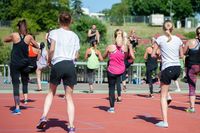
The National Institutes of Health reports that bone mass begins to decline after the age of 30. Resistance exercises help preserve skeletal muscle and place stress on bones, stimulating the activity of bone-forming cells. Studies have shown that such workouts are crucial for postmenopausal women in maintaining bone mineral density. Any weight-bearing activity that imparts some impact can also support bone health. Joyner suggests activities like hiking, playing sports such as tennis, or dancing as effective ways to bolster bone mass. Lifting weights is another form of resistance exercise that can benefit bone health.
If traditional exercise causes discomfort, it's essential to find alternative ways to stay active. Joyner recommends aquatic exercises, stating that "Aqua classes are an excellent method to enhance strength and cardiovascular fitness." Water provides a low-impact environment for movement, and warmer water can increase joint mobility. These workouts can also improve the ease of daily activities. As the saying goes, "motion is lotion," and with patience and guidance from an experienced professional, one can learn to appreciate and enjoy the pain-relieving benefits of exercise.
The combination of outdoor activity and physical exercise is highly beneficial for cognitive abilities. A study published in PLOS ONE involved 100 adults over the age of 50, divided into three groups: a cycling group, an e-bike group, and a control group that did not cycle. Participants in the cycling or e-bike group were instructed to cycle for 30 minutes, three times a week for eight weeks. The study found that both cycling and e-biking improved participants' executive function and well-being. If traditional cycling is not appealing, e-bikes offer a popular alternative, allowing for easier commuting, errands, long-distance travel, or cycling with less effort, which is particularly beneficial for those with health limitations.
Sarcopenia is the loss of muscle mass and strength that can occur in the elderly. It's crucial to engage in exercises that maintain muscle mass, which is essential for mobility and functionality in later years. Lifting weights is an effective way to challenge and strengthen muscles, and resistance training is the most effective method to counter sarcopenia, according to a systematic umbrella review in The Journal of Nutrition, Health & Aging. Joyner advises focusing on functional movements that mimic everyday body movements. For instance, deadlifts can support the ability to lift objects, modified push-ups can aid in pushing movements, and squats can help with rising from a seated position, an action performed multiple times daily.
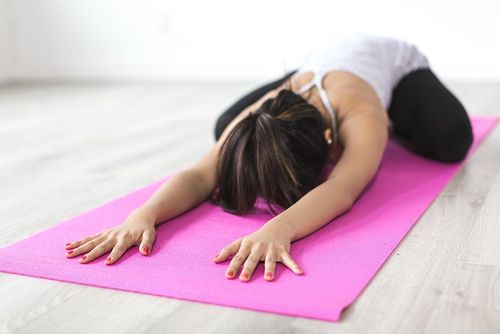
Yoga is not just for those who can touch their toes. Research indicates that this mind-body practice improves physical balance, lower body flexibility and strength, as well as mental health and sleep compared to a sedentary lifestyle, as found in a systematic review and meta-analysis published in the International Journal of Behavioral Nutrition and Physical Activity. Yoga has also been shown to be safe as one ages, making it a feel-good workout that enhances overall well-being.
Incorporating these exercises into a regular routine can significantly contribute to a healthier and more active lifestyle for individuals over 50, promoting not just longevity, but a life of quality and enjoyment.

By James Moore/Dec 22, 2024

By Sophia Lewis/Dec 22, 2024

By Laura Wilson/Dec 22, 2024

By Ryan Martin/Dec 22, 2024

By Thomas Roberts/Dec 22, 2024

By Lily Simpson/Dec 22, 2024
.png)
By Megan Clark/Dec 22, 2024

By Olivia Reed/Dec 22, 2024
.png)
By Daniel Scott/Dec 22, 2024
.png)
By Ryan Martin/Dec 22, 2024
By Lily Simpson/Dec 21, 2024

By David Anderson/Dec 21, 2024

By Grace Cox/Dec 21, 2024
By David Anderson/Dec 21, 2024

By Emma Thompson/Dec 21, 2024
By Eric Ward/Dec 21, 2024

By Benjamin Evans/Dec 21, 2024

By Thomas Roberts/Dec 21, 2024
By George Bailey/Dec 21, 2024

By Emily Johnson/Dec 21, 2024