Bloating and constipation are prevalent discomforts that often occur simultaneously, ranging from a mild, bloated sensation to severe pain. These conditions can stem from various lifestyle factors, such as inadequate exercise, insufficient fiber intake, or dehydration. Additionally, they may be triggered by subtle issues like food intolerances or rapid eating. Regardless of the cause, most individuals seek swift relief from bloating. Fortunately, specific exercises can provide comfort. Among the most effective exercises for alleviating bloating and constipation, two can be performed at home without any equipment: walking and yoga.
Research on Exercise and Digestive Health
Studies indicate that moderate exercise and minor dietary adjustments can alleviate bloating, gas retention, and constipation. Yoga has also been shown to be beneficial in managing irritable bowel syndrome (IBS). Walking and yoga are particularly effective in reducing these symptoms.
Walking as a Remedy for Bloating
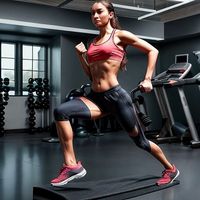
Numerous studies have demonstrated that physical activity can help with bloating and constipation. According to Harvard Medical School, the colon reacts to movement, meaning that individuals who engage in regular exercise experience fewer constipation-related issues than those with a sedentary lifestyle. Walking is an accessible, cost-effective, and simple form of exercise that is particularly effective for reducing bloating and treating constipation. For optimal results, consider walking outdoors to combine the benefits of nature with exercise. If indoor exercise is necessary, a treadmill or stairs can serve as suitable alternatives.
The Benefits of Yoga for Bloating Relief
Stress, anxiety, and tension can lead to gastrointestinal issues, including constipation. Research has established that yoga is an effective intervention for preventing and alleviating stress and anxiety. Yoga breathing techniques can help with constipation in two ways: engaging the abdomen through deep breathing and relieving stress.
Yoga Breathing Techniques
Pranayama Breathing
Pranayama breathing involves focused respiration: taking the time to concentrate on your breath. Inhale through your nose and exhale through your nose, aiming for an audible breath, sometimes referred to as the "sound of the ocean" or "Darth Vader" breathing. Incorporate a count into your breathing pattern: inhale for four counts, hold for one count, and exhale for six counts. This simple act of focusing on your breath can help reduce stress, which in turn may provide relief from constipation.
Single-Nostril Breathing
Single-nostril breathing is another effective method for stress relief and refocusing. Use your thumb and pointer finger to cover one nostril and breathe in through the other. Then, switch fingers to cover the nostril you just inhaled from and exhale through the opposite nostril. Repeat this process. This breathing technique not only helps to relieve stress by focusing on your breath but also requires concentration on the inhalation and exhalation process, which can provide a mental reset and improve focus.
Yoga Postures for Constipation Relief
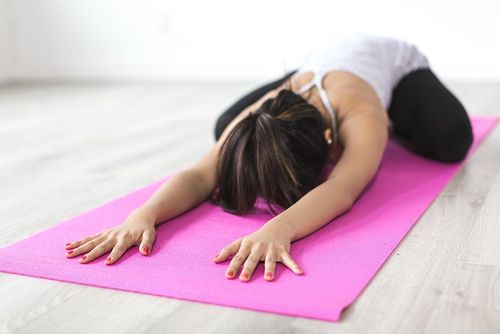
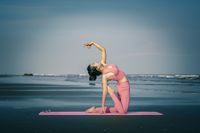
Yoga postures that promote better posture and alignment, as well as those that apply gentle pressure and twisting to the abdominal area, are among the best exercises for preventing and treating constipation. Studies show that gas retention, which can cause bloating, is exacerbated in recumbent or reclined positions and improved in upright positions. Therefore, focus on yoga postures that keep you in an upright, seated, or standing position. Here are some postures that can help relieve bloating or release excess gas:
There are many other postures that can aid in constipation relief—twisting postures, postures that bring the knees toward the chest for gentle pressure, and postures that fold the upper body toward the lower body can all assist with constipation as they encourage movement in the abdominal region.
Conclusion
The key takeaway is to engage in physical activity. Inactivity and a sedentary lifestyle contribute to constipation and associated bloating. Walking and yoga postures can be performed anywhere without equipment, offering a safe, drug-free method to alleviate constipation and bloating discomfort. Coupled with proper nutrition and hydration, you should notice improvements in mild constipation relatively quickly using these methods. While walking and yoga have been practiced for millennia and are generally considered safe and therapeutic, it is always advisable to consult a healthcare professional before starting any new exercise regimen, particularly if you are pregnant or have an underlying medical condition.

By James Moore/Dec 22, 2024

By Sophia Lewis/Dec 22, 2024

By Laura Wilson/Dec 22, 2024

By Ryan Martin/Dec 22, 2024

By Thomas Roberts/Dec 22, 2024

By Lily Simpson/Dec 22, 2024
.png)
By Megan Clark/Dec 22, 2024
By Olivia Reed/Dec 22, 2024
.png)
By Daniel Scott/Dec 22, 2024
.png)
By Ryan Martin/Dec 22, 2024
By Lily Simpson/Dec 21, 2024

By David Anderson/Dec 21, 2024

By Grace Cox/Dec 21, 2024
By David Anderson/Dec 21, 2024

By Emma Thompson/Dec 21, 2024
By Eric Ward/Dec 21, 2024
By Benjamin Evans/Dec 21, 2024
By Thomas Roberts/Dec 21, 2024
By George Bailey/Dec 21, 2024

By Emily Johnson/Dec 21, 2024