Engaging in physical activity offers a multitude of advantages, as highlighted by I-Min Lee, MD, ScD, a distinguished professor of medicine at Harvard Medical School. The array of benefits from exercise encompasses:
Even if you haven't been particularly active recently, it's never too late to embark on a fitness journey. The Centers for Disease Control and Prevention (CDC) suggests that individuals should aim for a minimum of 150 minutes of moderate-intensity aerobic exercise or 75 minutes of vigorous activity each week, complemented by two days of resistance training.
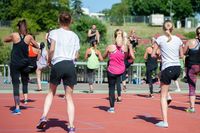
However, any form of movement is preferable to inactivity. If time constraints are a concern, remember that brief periods of physical activity—such as a 10-minute stroll or performing 20 squats while watching television—are still beneficial. If you find yourself disliking exercise, it may be that you haven't yet discovered the right type of activity for you. Preferences vary widely, with some individuals enjoying swimming, dancing, hiking, pilates, or bootcamp-style workouts. Regardless, certain exercises stand out for their exceptional health-promoting effects. We consulted with Dr. Lee to identify some of the most beneficial exercises for your health (Note: These are also among the top 5 exercises for weight loss).
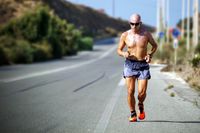
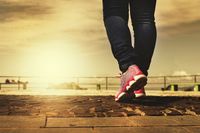
Walking: Dr. Lee asserts that, in some respects, walking is the best form of exercise. It is highly accessible, requiring nothing more than a good pair of walking shoes and can be done virtually anywhere. Walking is gentle on the joints, burns calories, aids in blood sugar management, supports heart health, and helps maintain muscle mass. Additionally, opting to walk instead of drive contributes positively to the environment, effectively killing two birds with one stone. For those residing in areas less conducive to walking, consider parking further away to incorporate more steps into your daily routine.
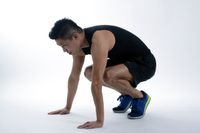
Strength Training: Dr. Lee emphasizes that strength training is crucial and often underappreciated. Beyond muscle building and weight loss, incorporating exercises such as lunges, push-ups, and squats benefits heart health, improves cholesterol levels, and increases bone density. Strength training is particularly vital for older adults, as muscle mass naturally declines with age, which can impact functionality. Dr. Lee points out that strength training also promotes muscle development, which is essential for glucose metabolism.
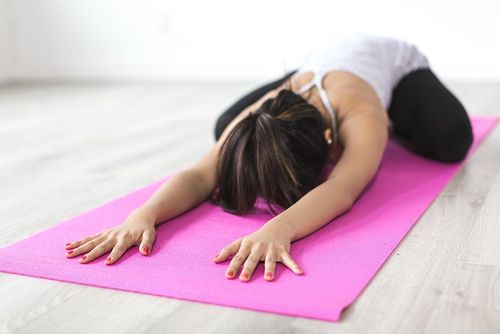
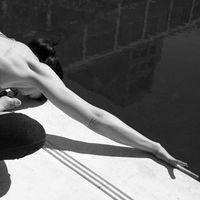
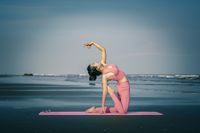
Yoga: Often overlooked, yoga boasts a plethora of health benefits. It can alleviate back pain, enhance bone strength, and maintain heart health. Studies have linked yoga practice to better cholesterol levels and improved blood pressure. Dr. Lee adds that yoga is excellent for flexibility, strength, and balance, and it's particularly important for older individuals to prevent falls.
Swimming: Swimming engages the entire body and is easy on the joints. While not as effective for bone strength due to its non-weight-bearing nature, swimming is an enjoyable summer activity that cools down the body and is suitable for those with joint issues. As an aerobic exercise that utilizes the whole body, swimming is one of the best cardiovascular activities available. It not only strengthens the core but also works numerous muscles in the arms and back that might otherwise be neglected.
Biking: Biking is another low-impact exercise that is easy on the joints. Dr. Lee notes that it is also a healthy mode of transportation, making it more feasible for those living in bike-friendly areas to incorporate into their daily routine. Biking is less stressful on the joints compared to walking and running and helps build muscle and improve balance, in addition to being heart-healthy.
The key takeaway is that any form of exercise is superior to none. You don't necessarily need to venture outdoors or to a gym to engage in physical activity; many exercises can be performed right at home. Consider these 6 top at-home exercises recommended by a personal trainer. Being outdoors also offers additional health benefits, such as mood enhancement and stress reduction. Dr. Lee advises, "Don't forget to wear protective clothing and apply sunscreen if you're exercising outdoors."

By James Moore/Dec 22, 2024

By Sophia Lewis/Dec 22, 2024

By Laura Wilson/Dec 22, 2024

By Ryan Martin/Dec 22, 2024

By Thomas Roberts/Dec 22, 2024

By Lily Simpson/Dec 22, 2024
.png)
By Megan Clark/Dec 22, 2024

By Olivia Reed/Dec 22, 2024
.png)
By Daniel Scott/Dec 22, 2024
.png)
By Ryan Martin/Dec 22, 2024
By Lily Simpson/Dec 21, 2024
By David Anderson/Dec 21, 2024

By Grace Cox/Dec 21, 2024
By David Anderson/Dec 21, 2024

By Emma Thompson/Dec 21, 2024
By Eric Ward/Dec 21, 2024
By Benjamin Evans/Dec 21, 2024
By Thomas Roberts/Dec 21, 2024

By George Bailey/Dec 21, 2024
By Emily Johnson/Dec 21, 2024